Have you ever spent a rainy afternoon curled up beneath a blanket, with a mug of hot chocolate in hand, the fire crackling and absolutely nowhere else you'd rather be? Or enjoyed a long, leisurely supper with friends, surrounded by candlelight, good food and even better conversation?
Well, you may have already experienced hygge without even realising it!
Pronounced 'hoo-gah', hygge is a Danish concept centred around comfort, contentment, togetherness and enjoying life's simple pleasures. Often associated with Denmark's famously happy population, it encourages us to slow down, appreciate the little things and make time for the moments that really matter.
And what better time to embrace a little hygge than during the colder months? As the evenings draw in and the temperature drops, there's something wonderfully comforting about lighting a candle, cooking something delicious and settling into a cosy space.
Whether you're looking to bring a little more hygge into your home or escape to a beautiful countryside cottage for a few days, here are five steps to understanding the Danish art of cosiness – and how you can enjoy a little more of it in everyday life.
What Is Hygge? Understanding the Danish Meaning
Hygge (pronounced 'hoo-gah') doesn't have a direct English translation. Although it's often described as cosiness, it means so much more than simply being warm and comfortable.
At its heart, hygge is about creating an atmosphere where you feel relaxed, content and completely at ease. It's about enjoying life's simple pleasures, appreciating your surroundings and spending quality time with the people who make you happy.
Hygge can be found in the smallest of moments. Think candlelight flickering on a dining table, freshly baked cake shared with friends, a favourite book on a quiet afternoon or a long walk followed by a warming bowl of homemade soup.
It's not about expensive interiors, luxury experiences or having everything perfectly arranged. Instead, hygge is about finding happiness in everyday moments and making time to enjoy them.
Denmark is frequently ranked among the happiest countries in the world, and while hygge isn't the sole explanation for this, its emphasis on wellbeing, social connection and enjoying life's simple pleasures reflects an important part of Danish culture.
How Do You Use Hygge in a Sentence?
Hygge is a Danish word that can be used as both a noun and an adjective, although it is perhaps most familiar when describing a feeling or atmosphere.
For example:
-
'We're having a hyggelig evening at home.'
-
'That little cottage has such a lovely hygge atmosphere.'
-
'There's nothing better than a bit of hygge on a cold winter's evening.'
The word 'hyggelig' is the adjective form, used to describe something that feels cosy, welcoming and comfortable.
Once you understand the meaning, it's easy to see why hygge has become such a popular concept around the world. It's a lovely reminder that happiness doesn't always come from doing more. Sometimes, it's about slowing down and enjoying what you already have.
Embrace the Simple Pleasures of Everyday Life
At the heart of hygge is the ability to appreciate the little things. Rather than constantly rushing from one activity to another, hygge encourages us to pause, relax and enjoy the present moment.
It might be something as simple as:
-
Making a rich hot chocolate and drinking it from your favourite mug
-
Baking a homemade cake on a chilly afternoon
-
Sharing a long Sunday lunch with family and friends
-
Curling up on the sofa with a blanket while the rain taps against the window
-
Lighting candles and enjoying a good book without distractions
-
Taking a refreshing countryside walk before returning home to a warming meal
It's also about creating a welcoming atmosphere. Soft lighting, natural materials, comfortable cushions, warm blankets and gentle background music can all help create a space where you feel relaxed.
Hygge isn't about perfection or following a particular interior design trend. It's about creating an environment that makes you feel happy, comfortable and at home.
And sometimes, the best hygge moments happen when you least expect them.
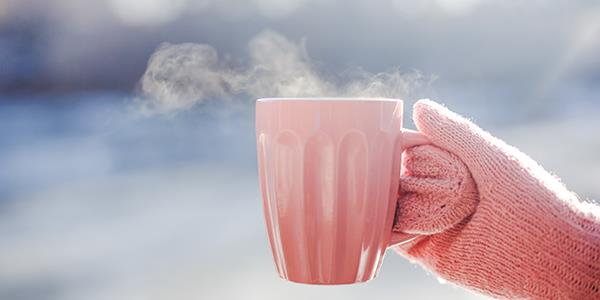
Understand the Danish Connection: Togetherness and Wellbeing
Although hygge can certainly be enjoyed alone, togetherness is an important part of the Danish concept.
Sharing food, enjoying good conversation and spending uninterrupted time with family and friends are all central to the hygge lifestyle. It's about feeling comfortable in someone's company, without the pressure of having to dress up, impress anyone or make everything perfect.
Denmark's long, dark winters have also helped shape its culture of cosiness and indoor socialising. When the weather outside is cold and daylight hours are short, creating a warm and welcoming home becomes particularly important.
This emphasis on connection is one of the reasons hygge is often associated with wellbeing. Spending time with loved ones, enjoying meaningful conversations and taking time away from everyday pressures can all contribute to a greater sense of contentment.
You don't need a large gathering or a special occasion to enjoy it, either. A quiet evening with your partner, a relaxed family supper or catching up with a friend over coffee can be just as hyggelig.

How to Create Hygge at Your Rural Retreat Holiday Cottage
If you'd like to bring a little more hygge into your everyday life, start by thinking about how your surroundings make you feel.
The Danes are particularly fond of creating atmosphere through lighting. Flameless candles, soft lamps and the gentle glow of a fire can instantly make a room feel more inviting, especially during the darker months.
Here are a few simple ways to create a little hygge at home:
Embrace soft lighting: Swap harsh overhead lighting for table lamps, fairy lights and fireless candles. A warm, gentle glow can make all the difference to the atmosphere of a room.
Choose cosy textures: Look our for interiors with chunky knitted blankets, soft cushions, woollen throws and comfortable armchairs. Natural materials and tactile fabrics help create a welcoming space.
Cook something comforting: Prepare a hearty homemade stew, bake a cake or enjoy a slow Sunday lunch. Food is a wonderful way to bring people together.
Make time for loved ones: Invite friends together for that long overdue weekend away, enjoy a family film night or simply spend an evening chatting without distractions.
Switch off from technology: Put your phone away, turn off the television for a while and give yourself permission to enjoy the moment.
Bring the outdoors in: Fresh flowers, seasonal foliage, wooden accessories and natural materials can help create a calming connection with the outdoors.
Most importantly, don't overcomplicate things. Hygge isn't another lifestyle trend to perfect or a checklist to complete. It's simply about making time for the things that make you feel good.
Bring a Little Hygge into Your Next Rural Retreat
Of course, one of the loveliest ways to embrace hygge is to escape the everyday and spend a few days somewhere special.
Imagine arriving at a beautiful country cottage after a bracing countryside walk. You kick off your muddy boots by the door, hang your coats up to dry and settle into a comfortable armchair beside a crackling log fire.
Outside, the rain is falling gently against the windows, while inside there's a delicious supper bubbling away on the hob. Perhaps there's a bottle of wine waiting, a favourite film to watch or a board game to enjoy with the family.
The dog is curled up happily on their blanket, everyone is together and there's nowhere else you need to be.
That, to us, sounds like hygge.
A Rural Retreats cottage holiday offers the perfect opportunity to slow down and enjoy these simple pleasures. Whether you're looking for a romantic hideaway for two, a spacious country house for a family gathering or a dog-friendly cottage surrounded by beautiful walking routes, a change of scenery can be just what you need.
From cosy countryside cottages with wood-burning stoves to welcoming coastal retreats with beautiful views, our collection of self-catering properties provides plenty of opportunities to embrace a slower pace of life.
And the best part? You don't need to wait for a special occasion. A few days away, a good book, a favourite person and somewhere lovely to stay are sometimes all you need.
FAQs
What does hygge mean in Danish?
Hygge is a Danish word describing a feeling of comfort, contentment, warmth and togetherness. Although it is often translated as 'cosiness', it also encompasses enjoying simple pleasures, spending time with loved ones and creating a welcoming atmosphere.
How do you pronounce hygge?
Hygge is pronounced 'hoo-gah'. The word originates from Danish and is often used to describe cosy, comfortable and enjoyable moments.
Why is hygge associated with happiness?
Hygge places importance on simple pleasures, social connections and taking time to enjoy everyday life. While it isn't the only reason Denmark is often ranked among the world's happiest countries, its emphasis on togetherness and wellbeing reflects important aspects of Danish culture.
How can I practise hygge at home?
You can embrace hygge at home by creating a warm and welcoming atmosphere. Light some candles, add soft blankets and cushions, cook a comforting meal, invite friends over or enjoy a quiet evening with a good book. The idea is to slow down and appreciate the moment.
What is a hygge lifestyle?
A hygge lifestyle is about prioritising comfort, contentment and meaningful connections. It encourages people to enjoy life's simple pleasures, spend quality time with loved ones and create welcoming spaces where they can relax and unwind.
Can you experience hygge on holiday?
Absolutely! A cosy Rural Retreats cottage holiday is a wonderful way to embrace hygge. Imagine countryside walks, warming meals, evenings beside a log fire and time spent with family and friends. A self-catering cottage provides the freedom to relax and enjoy life at a slower pace.
What makes a home feel hygge?
A hygge-inspired home usually features warm lighting, comfortable furnishings, soft blankets, natural materials and a welcoming atmosphere. Candles, fires, favourite books and shared meals can all help create a feeling of comfort and contentment.
Is hygge just for winter?
Not at all! Although hygge is particularly associated with the colder months, it can be enjoyed throughout the year. Summer evenings with friends, picnics in the countryside, garden gatherings and peaceful mornings with a coffee can all be hyggelig moments.